
New Teacher Resources
Starting your first year of teaching in your own classroom is an exciting but also overwhelming time. We know because we’ve been there. Together with our Advisory Board of veteran teachers, guided by feedback and experiences of our TeacherVision community, we curated a collection of resources to support new teachers.
Browse advice for new teachers, lesson planning resources (including printable templates), tips and advice for starting the school year, support with classroom management and classroom organization and so much more. Whether you're a first year teacher of elementary school, middle school or high school, these resources will help you grow and thrive as a new teacher.
New Teacher Support - Toolkits and Resource Collections for New Teachers
Getting started:
Start with the New Teacher Starter Toolkit packed with teaching tips, advice and handy teaching templates and resources for new teachers, and the Classroom Essentials for help with classroom management setting up your classroom. Then, Level Up with our professional development and self-care resources.

Get started here with a toolkit designed especially for new teachers!


Library of Resources for New Teachers
Get help with classroom and behavior management, lesson planning methodologies, the first day as a new teacher, maintaining both authority and fairness, assessing your students' work, teaching English-language learners and students with special needs, forming a relationship with parents, and more. You'll also find printable forms, teacher templates, awards, and graphic organizers to help you in planning your lessons and your curriculum for the whole year.
Jump to a topic:
Advice for New Teachers Assessment Inclusion Strategies First Day As a New Teacher Teacher/Parent Relationships Homework Classroom Environment & Culture Classroom Organization Lesson Planning Professional Development Classroom Management Teaching Methods and Strategies Social-Emotional LearningAdvice for New Teachers
Check our tips and suggestions for new teachers in these resources including teaching hints your first year, how to manage behavior, collaborating with parents, and much more.
- New Teacher Starter Toolkit
- Dear First-Year Teacher: I'm Sorry - Blog Post
- An Ultimate Guide for New Teachers - Blog Post
- A Day in the Life of a Teacher - Blog Post
- Top 10 Things Every Teacher Needs in the Classroom
- Too Many Tasks, Not Enough Day
- Top 10 Behavior Management Tips for the Classroom
- Top 10 Motivation Tips for the Classroom
- 20 Tips for Lesson Planning and Classroom Management
- Top 10 Great Books on Teaching
- Replace Fear With Trust: Teaching Advice
- 10 Inspirational Quotes for Educators
- Top 10 Classroom Organization Tips
- Discipline Must Be Logical: Teaching Advice
- Top 10 Icebreakers to Get to Know Your Students
- Top 15 Pieces of Advice from Veteran Teachers
- Lesson Planning Advice from Veteran Teachers
Assessment Resources for New Teachers
Learn about assessment vs. evaluation, rubrics, scantrons, and more using our resources for new teachers.
- A Grading and Assessment Workbook for Teachers
- How to Grade With a Growth Mindset
- Tips for Grading and Writing Comments That Save Time and Increase Impact
- Elementary Reading Pre-Assessment
- Elementary Division Pre-Assessment
- Elementary Multiplication Pre-Assessment
- Elementary Subtraction Pre-Assessment
- Elementary Addition Pre-Assessment
- 10 Ideas for Building a Formative Assessment Toolkit
Inclusion Strategies in the Classroom
These resources will help you understand and implement strategies for managing and fostering an inclusive classroom.
- Best Practices for Supporting Students With Special Needs
- How to Build a Culturally-Responsive Classroom
- 5 Steps to Become a Culturally Responsive Teacher
- How to Incorporate Cultural Diversity in the Classroom
- Effective Teaching Strategies
- Effective Accommodations for IEPs
- Using General Education Standards with IEPs
- The IEP Team Members
- What is Dyslexia?
- Teaching Strategies for English Language Learners
- Teaching English Language Learners Across the Curriculum: The Science Classroom
- Fall Writing Packet for English Language Learners
- Five Essential Principles for Building ELL Lessons
- Language Proficiency Chart
- Five Essential Principles for Building ELL Lessons
- The Unique Challenges of Teaching English-Language Learners
- Teaching English-Language Learners with Learning Difficulties
- More More Inclusive Classroom Resources
First Day As a New Teacher
Use these resources to help your first year begin in a positive and stress-free way. Includes ideas to be prepared before the year starts, activities for the first day, and much more.
Parent/Teacher Relationships
As a new teacher, use our resources to learn how to interact with parents and help you achieve parent involvement in your classroom which ultimately leads to student success.
- First Week Parent Communication Templates for Teachers
- Parent-Teacher Conferences: Before, During, and After
- How Teachers Can Communicate Effectively with Parents
- Top 10 Teacher-Parent Collaboration Ideas
- Hosting a Successful Open House
- Student Progress Report
- Parent/Teacher Relations
- Getting Parents Involved
Homework
Articles on the effectiveness of homework and how much to give, along with a customizable and organizational homework checklist, are among the resources to choose from in this section.
Classroom Environment and Culture
Creating a workable and positive classroom atmosphere is easy using our resources. Includes tips on securing supplies, classroom arrangement and organization, along with ideas for bulletin boards.
Classroom Organization
Choose from these different pre-made forms to help you when a student needs a pass out of class, or you need help organizing grades or lesson plans. Some forms are customizable.
Lesson Planning for New Teachers
These resources include advice on planning from veteran teachers, help structuring lessons and lesson plans, as well as organizational tips.
Professional Development for New Teachers
If you enjoyed these resources for New Teachers, click the links below on our resources for other informative articles to help you teach effectively.
- New Teacher Starter Toolkit
- Self-Care Strategies for New Teachers
- Four Tips for Bouncing Back After a Tough Observation
- Teachers, Appreciate Yourselves
- A Time Management Workbook for Teachers
- What's Your TeacherVision? Workbook
- A Grading and Assessment Workbook for Teachers
- Your Teacher Self-Care Workbook
- Teacher Self-Care 101: Coaching For How to Be Your Best Teaching Self
- Our Top Summer Professional Development Opportunities for Teachers
- Money-Saving Tips for Professional Development
- Summer Reading: Eight Professional Development Books For K-12 Teachers
- Our Favorite Ways to Grow As A Teacher
- Summer Reading List for Teachers – Fiction
- Summer Reading List for Teachers – Nonfiction
- The Ultimate E-Book: 9 Ways to Become a Better Teacher and Develop a Positive Mindset
- How To Get The Most Out Of Student Teaching
- What's Your Teacher Vision? On-Demand Webinar
- More Professional Development Resources
Classroom Management
Classroom management will be less of a concern with our resources including creating rules, classroom management strategies, advice for implementing, and much more.
Teaching Methods and Strategies
All teachers, but especially new teachers, will find these Teaching Methods and Strategies resources very helpful in setting up and structuring your lessons and classroom.
Social-Emotional Learning
Browse through our resources, Dealing with Social/Emotional Issues, to find helpful articles and useful classroom activities such as resolving conflict.
Recommended New Teacher Resources Resources
-
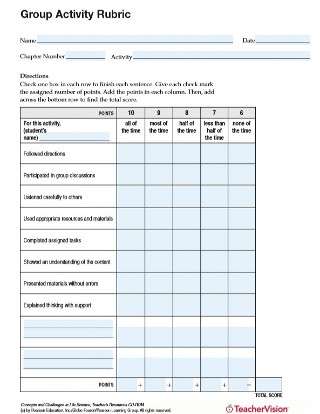
ASSESSMENT
Group Activity Rubric
Evaluate students' participation and performance in a group activity with this customizable rubric. Tailor the PDF to yo... -
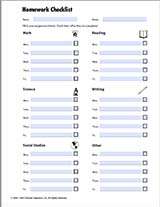
CLASSROOM TOOLS
Homework Checklist
Help your students get organized by filling in this customizable, blank printable resource with daily assignments, and c... -
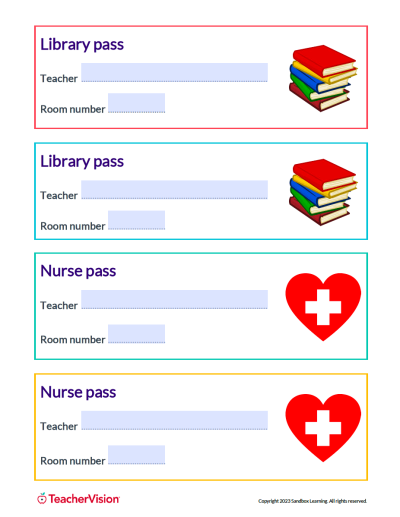
CLASSROOM TOOLS
Library and Nurse Hall Passes
Organize your students' trips to the nurse and library with this set of class hall passes, perfect for the classroom and... -
TEACHING RESOURCE
New Teacher Starter Kit
A Complete Toolkit to Help New Teachers Through Their First Year of Teaching Don’t panic! The New Teacher Starter Kit i... -
TEACHING RESOURCE
Textbooks: Advantages and Disadvantages
Should you teach from a textbook? Or rely on other resources? Find the answer here One of the most common resources in ... -

TEACHING RESOURCE
The 6 Levels of Questioning in the Classroom (+ Examples)
Download for free! The 6 levels of questioning in the classroom according to Bloom's Taxonomy provide a structured shi... -
TEACHING RESOURCE
Teaching Students with Special Needs
Download for free! Prepare to teach students with special needs in your classroom using these effective strategies to ... -
EDITOR'S COLLECTIONS
Top 10 Most Popular Graphic Organizers Examples
Graphic organizers help your students visualize and understand concepts more effectively. Print the free examples in thi... -

TEACHING RESOURCE
Cooperative Learning: A Complete Guide for Teachers
Whether you're a seasoned educator or new to teaching, this guide to cooperative learning is designed to provide valuabl... -
LESSON PLANS
Focused Mini Lessons
Mini-lessons promote easy, regular skill-building Teach your students smaller concepts with focused mini lessons; they ... -
TEACHING RESOURCE
Questions Before, During, and After Reading
To encourage critical reading, teachers should ask students questions about the text before, during, and after they read... -
WORKBOOKS
A Grading And Assessment Workbook For Teachers
TeacherVision contributor and instructional coach Julie Mason designed this workbook in order to share best practices fo... -

TEACHING RESOURCE
Positive Descriptions of Student Behavior
-
LESSON PLANS
Activating Prior Knowledge
A complete collection of resources for applying this critical reading strategy Help your students be good readers with ... -

TEACHING RESOURCE
What Is Comprehensible Input for ELL Students?
10 tips and strategies to help English-language learners thrive in your classroom. English-language learners often stru... -
TEACHING RESOURCE
Tips for Achieving and Maintaining Discipline
"Discipline is not control from the outside; it's order from within." This article will help you establish and maintain ... -

TEACHING RESOURCE
Classroom Routines and Schedules
Set up a routine for your classroom procedure on the first day. Your students will feel organized and the days will run ... -
TEACHING RESOURCE
Think-Alouds
Effective teachers think out loud on a regular basis The think-aloud strategy asks students to verbalize what they are ... -

TEACHING RESOURCE
Using Multiple Intelligences in Testing & Assessment
Download for free! Information on using Howard Gardner's theory of multiple intelligences (MI) in student assessments i... -

TEACHING RESOURCE
Collaboration Between General and Special Education Teachers
Communication and collaboration between general and special education teachers is vital to the success of special needs ... -

TEACHING RESOURCE
A Teacher's Introduction to Learning Centers
The basics of centers - how they work, how to create one, and more A learning center is a self-contained section of the... -

EDITOR'S COLLECTIONS
Top 10 Educational Technology Resources for Teachers
Engage students in your classroom with our Top 10 favorite interactive educational technology resources. These websites ... -
TEACHING RESOURCE
Visualizing
Learn and apply this critical reading instruction strategy Visualizing refers to our ability to create pictures in our ... -
TEACHING RESOURCE
Lesson Methodologies
There are many different ways in which you can effectively teach your students. Learn about many different methodologies...


