
Language Arts and Writing Resources

Language Arts Teacher Resources
Our most popular lessons and printables will help your students master the Language Arts.Newest Language Arts and Writing Resources


The subject of Language Arts includes the alphabet, writing, vocabulary, spelling, speech, penmanship, and grammar. Our most popular lessons and printables will help your students master these resources. Find alphabetizing worksheets, grammar exercises, cursive handwriting practice sheets, creative writing activities, vocabulary drills, pronunciation guides and much more. Also included are language arts computer activities, graphic organizers, and slideshows.
Most Popular Language Arts and Writing Printables
Creative Writing Letter Writing Tips GrammarView Language Arts and Writing Resources By Type

Recommended Language Arts and Writing Resources
-
Graphic Organizers
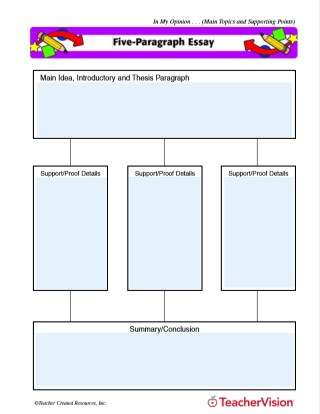
Five-Paragraph Essay
Help students write five-paragraph essays with a graphic organizer. This printable is customizable. -
Graphic Organizers
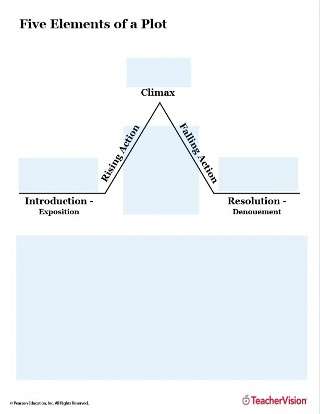
Five Elements of a Plot
Five elements of a story's plot (introduction, rising action, climax, falling action, and resolution) provide the struct... -
Graphic Organizers
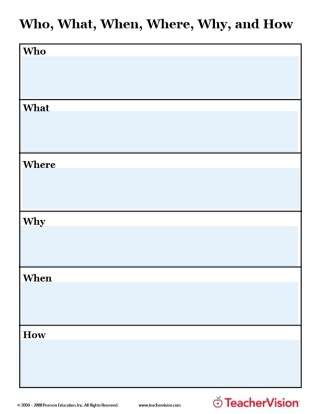
Who, What, When, Where, Why, and How
Use this graphic organizer to help students write in a journalistic fashion. This printable is customizable. -
Worksheets
Write Your Own Mad Libs®
Use this printable to have students create their own Mad Libs® stories. -
Graphic Organizers
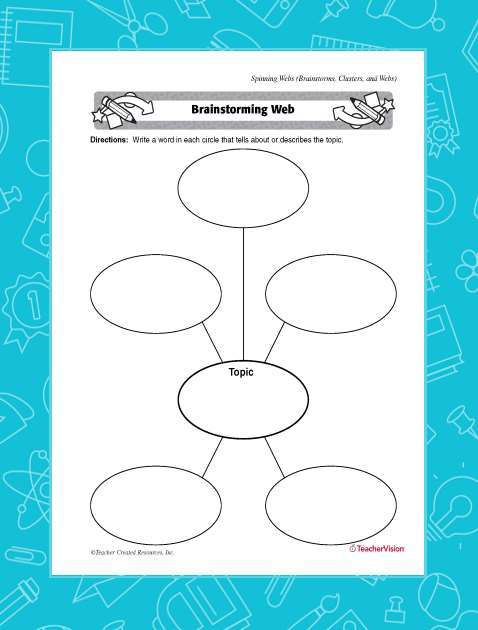
Brainstorming Web
Use this graphic organizer to brainstorm. This printable is customizable. -
Graphic Organizers
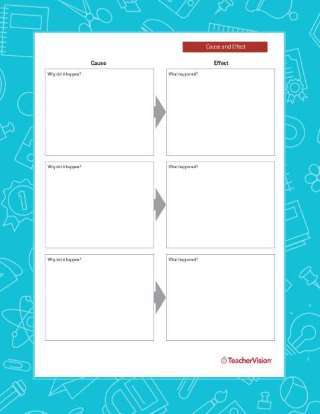
Cause and Effect Graphic Organizer
An essential graphic organizer for all ELA classes! are asked to identify cause and effect of a story with this graphi... -
Graphic Organizers
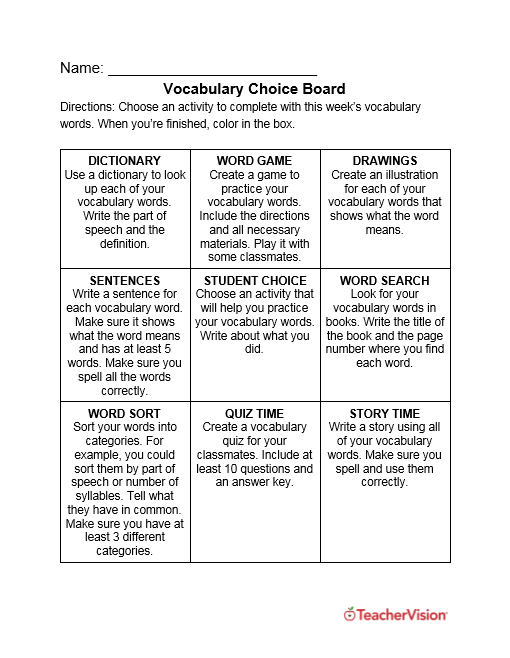
Vocabulary Choice Board (Grades 3-5)
This choice board is a great way for your students to practice their weekly vocabulary words. -
Worksheets
The Lemonade War Teacher's Guide
Encourage the development of students' entrepreneurial skills with the economics and math activities in this teacher's g... -
Graphic Organizers
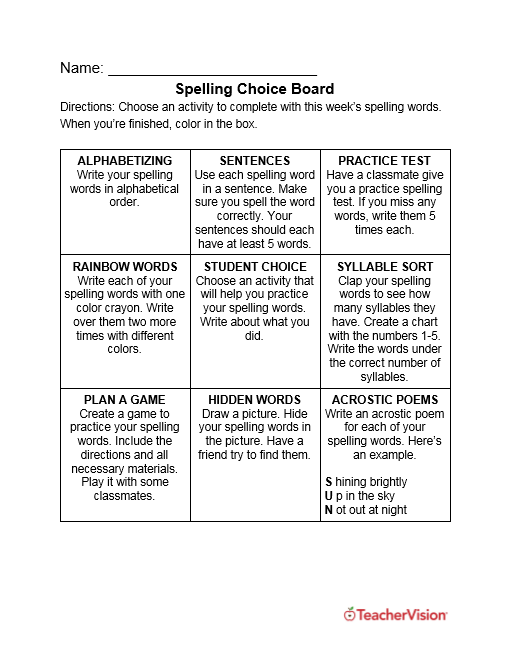
Spelling Choice Board (Grades 1-5)
This choice board is a great way for your students to practice their weekly spelling words.


