
Physical Education and Fitness

Physical Education Printables, Lessons & References
Promote good exercise habits with physical education resources for kindergarten through twelfth grade.
Newest Physical Education and Fitness Resources


Promote good exercise habits with physical education resources for kindergarten through twelfth grade. Encourage fitness with lessons and printables for safe and healthy living. Use science activities to explore the benefits of physical activities on the human body. There are quizzes to test students' knowledge of sports trivia and biographies to teach them about famous athletes. You'll also find math activities on baseball statistics and Olympic writing exercises that build vocabulary.
View Physical Education and Fitness Resources By Type

Recommended Physical Education and Fitness Resources
-
Activities
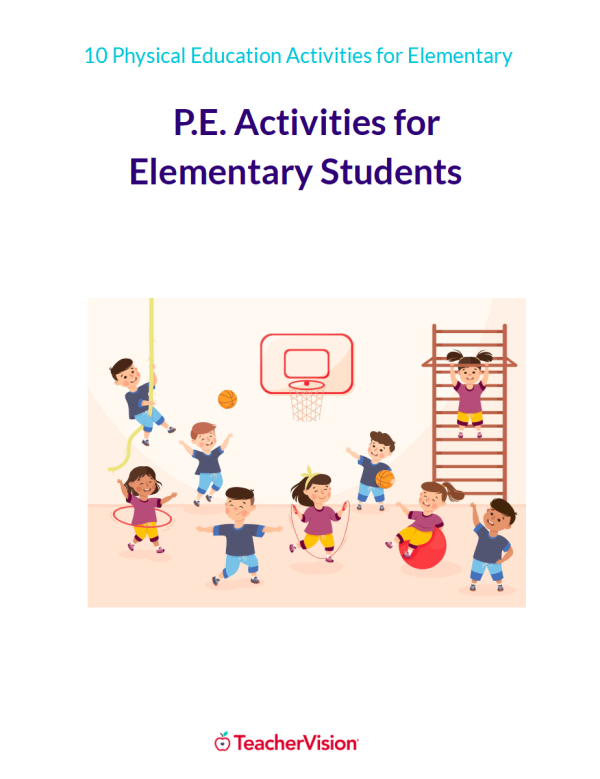
P.E. Activities for Elementary Students
Make exercise fun with set of teamwork and coordination building activities for elementary students. -
Activities
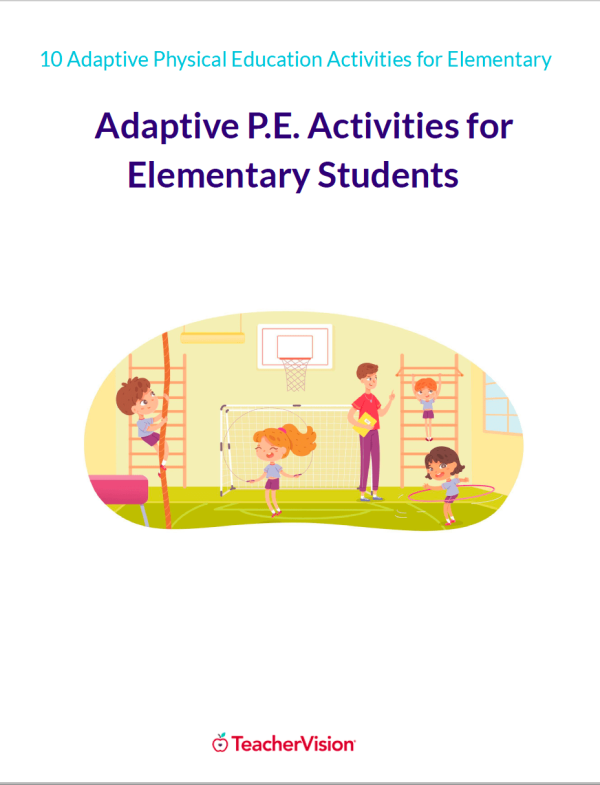
Adapative P.E. Activities for Elementary
Create an inclusive and enjoyable experience to promote movement and joy. -
Choice Boards
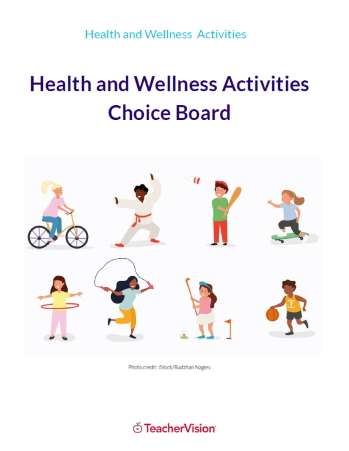
Health and Wellness Activities Choice Board and Certificate
These student choice activities for health and wellness will help your students get active, focus on mental and emotiona... -
Activities
Movement and Circle Games
Incorporate movement into your music lessons with these fun singing games for "The Telephone Rings", "Ring Around the Ro... -
Lesson Plans
Baseball Cards
Students make baseball cards as a way of getting to know one another. -
Worksheets
Trail Markers
It's important to mark a trail when hiking in the wilderness, in order to find the way back, as students learn in this p... -
Activities
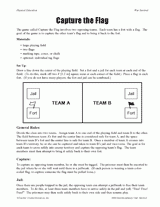
Capture the Flag
Teach your students the rules and strategy for playing Capture the Flag. -
Worksheets
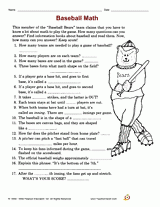
Baseball Math Worksheet
Try a math activity that focuses on doing research about baseball. -
Activities
Teammates
A wealth of resources, lesson plans, and activities that can be used with the story Teammates by Peter Golenbock.


