Fun New Year’s Activities for the Classroom
Starting back for the new year in January offers opportunities for reflection, setting new year’s resolutions, and learning about the history of new year’s celebrations and traditions around the world. Read on for ideas for celebrating the new year with your students or browse our collection of new year’s activities.
Learn about the history of new year’s celebrations
Browse our reference pages for materials on the history and traditions of celebrating the new year. A History of the New Year is a great read for middle school students guiding them through ancient celebrations in Mesopotamia to modern-day traditions. New Year’s Traditions is a handy reference article for grades 3 to 12 and includes lyrics to sing "Auld Lang Syne" with your class!
Explore new year traditions around the world
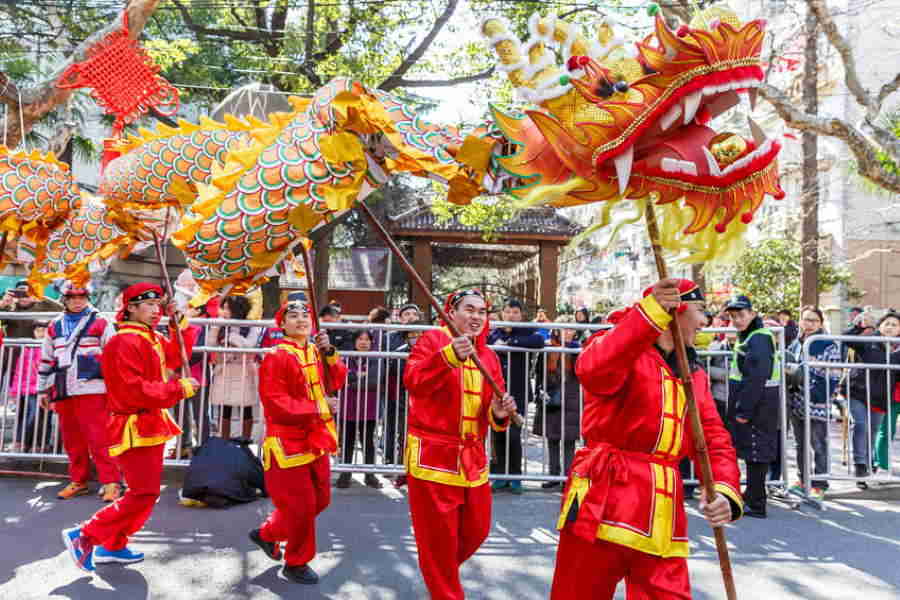
The new year is a great opportunity for students to learn about different cultures around the world. Students can discover Vietnamese, Hindu, Korean, and Chinese new year traditions with social studies printables and activities. Our collection of Chinese New Year resources includes fun arts and crafts activities along with social studies lessons and printables.
Write new year’s resolutions
The first week back is a great time for reflection and goal-setting. This New Year’s Resolutions Activity Packet has some lovely resolution-setting templates and activities for elementary students. We also have printables for grades K-2, 3-6, and 7-12. Discover more resources for new year’s resolutions.
Browse More New Year’s Activities & Printables
New Year’s Choice Boards
These choice boards are packed with fun student choice activities to help celebrate the New Year. They are perfect for early-finisher, extension, or take-home activities.The New Year & Social Studies Connected
With our New Year's resources, students will learn the history of New Year's Eve and Day, as well as different New Year's celebrations and traditions around the world.- New Year's Day
- New Year's Eve
- Chinese New Year Dragon Puppet
- Tet, the Vietnamese New Year
- Diwali, the Hindu New Year
- Sol-Nal, the Korean New Year
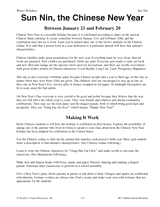
- Sun Nin, the Chinese New Year
- More Social Studies Resources for the New Year
New Year's References
Use our references to help students learn about the New Year with fun activities such as saying "Happy New Year" in different languages, traditions of the New Year, and more.New Year’s Resolutions Activites
Start the year with reflection and goal-setting with these new year’s resolutions printables and activities. Choose from worksheets for specific grade levels or the activity packet has some fun and interesting templates and new year’s activities for elementary students.- My New Year's Resolutions (K-2)
- My New Year's Resolutions (3-6)
- My New Year's Resolutions (7-12)
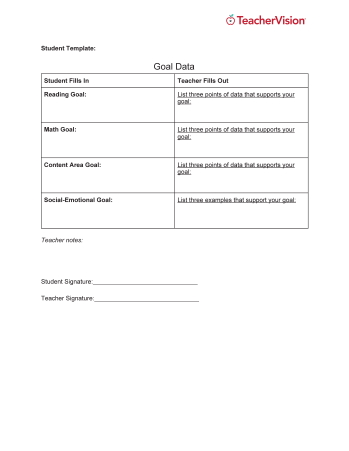
- Student Goal Setting in the New Year
- New Year’s Resolutions Activity Packet for Elementary Students
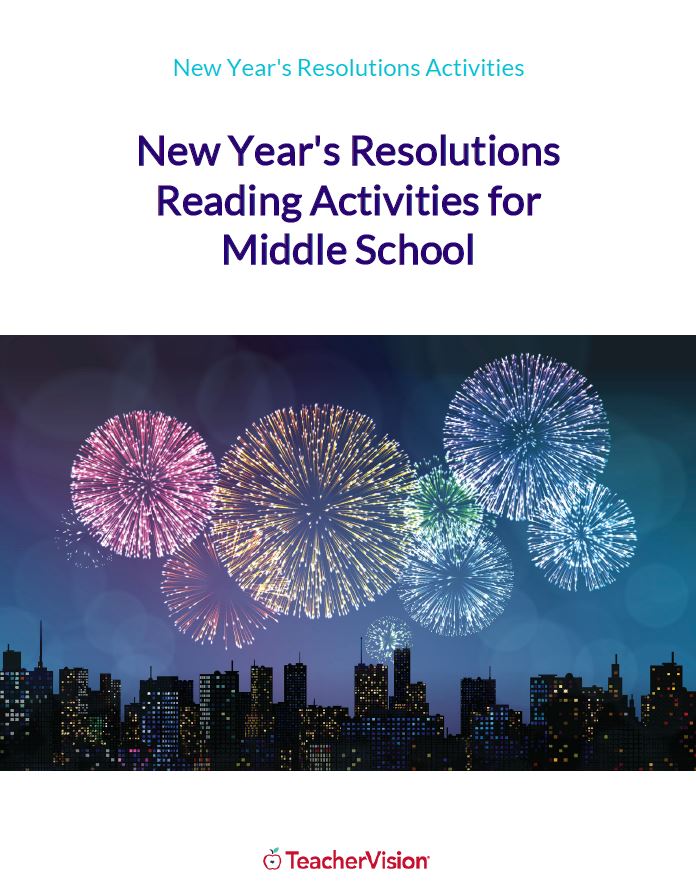
- New Year's Resolutions Activities for Middle School
Chinese New Year Resources
Our Chinese New Year Resources offer you worksheets, activities, quizzes, videos with activities, creative resources such as learning how to make a Chinese musical instrument, and more.- All About the Chinese New Year
- The Chinese Calendar
- Chinese New Year Videos & Activities
- Chinese Music
- Asian Music Resources
- Making an Erhu
- More Chinese New Year Resources for Teachers